
“Financial freedom” used to be a distant milestone – something tied to retirement plans, savings accounts, and decades of disciplined budgeting. It was about accumulating enough wealth to eventually stop worrying about money.
Today, that definition feels incomplete.
In a world shaped by technology, remote work, and global connectivity, financial freedom is no longer just about how much money you have. It’s about how easily you can use it, move it, grow it, and access it – on your own terms.
A Shift From Ownership to Control
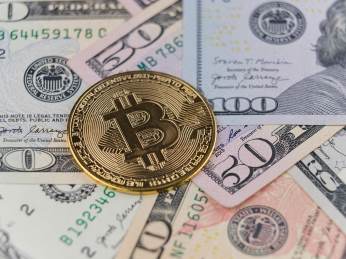
Image credit: Engin_Akyurt (Source: Pixabay)
The traditional model of finance was built around institutions. Banks held your money, processed your transactions, and defined the pace at which everything moved. While that system provided stability, it also came with limitations – delays, fees, and a lack of flexibility.
Now, the focus is shifting from ownership to control.
You might still keep money in a bank, but you also expect to send it instantly, access it globally, and manage it digitally. Financial freedom in this context isn’t about rejecting traditional systems entirely – it’s about having more control over how you interact with them.
The Globalization of Personal Finance
One of the biggest drivers of this change is the global nature of modern work.
Freelancers, remote employees, and digital entrepreneurs are no longer tied to a single country or currency. Someone might earn in euros, spend in dollars, and save in digital assets – all within the same week.
This kind of lifestyle would have been incredibly complex just a decade ago. Today, it’s increasingly common.
But with this flexibility comes a need for better tools – ones that can keep up with a fast-moving, borderless financial reality. Using a payments app has become a practical solution for navigating this complexity, helping people move money quickly and efficiently without being slowed down by traditional barriers.
Speed Is No Longer Optional
In the digital age, speed isn’t a luxury – it’s an expectation.
We’re used to instant communication, real-time updates, and on-demand services. Naturally, we expect the same from our finances. Waiting days for a transaction to clear can feel frustrating, especially when everything else in our lives happens instantly.
This is why faster payment systems are gaining traction. They don’t just improve convenience; they reshape how people plan and manage their money. When funds are available immediately, opportunities can be acted on faster, and financial stress can be reduced.
Speed, in many ways, has become a core component of financial freedom.
Access Anytime, Anywhere
Another defining feature of modern financial freedom is accessibility.
Your money is no longer tied to a physical location. You don’t need to visit a bank branch during business hours or rely on specific devices to manage your finances. Everything can be handled from a smartphone, whether you’re at home or halfway across the world.
This level of access changes how people think about money. It becomes more fluid, more integrated into daily life, and less restricted by traditional systems.
However, this also raises important questions about digital inclusion. Not everyone has equal access to technology or the internet, and as finance becomes more digital, ensuring inclusivity becomes a critical challenge.
The Rise of Financial Ecosystems
Modern financial tools are evolving into ecosystems rather than standalone services.
Instead of using one platform for payments, another for savings, and another for investments, users increasingly prefer integrated experiences. They want tools that can handle multiple aspects of their financial lives in one place.
A well-designed payments app fits into this ecosystem by acting as a central hub for transactions. But beyond that, it often connects with broader financial features, helping users manage their money more holistically.
For example, some platforms are beginning to combine payments with digital asset management and cross-border capabilities. A single mention worth noting is Exodus, which offers a streamlined way to send and receive funds within a broader digital finance environment. It reflects a growing trend toward tools that prioritize user control and flexibility without overcomplicating the experience.
The Psychological Side of Digital Money
As money becomes more digital, our relationship with it changes.
Cash has a physical presence – you can see it, touch it, and feel it leaving your hands. Digital money, on the other hand, is more abstract. It exists as numbers on a screen, which can sometimes make spending feel less tangible.
This shift can have both positive and negative effects.
On one hand, digital tools make it easier to track spending, set budgets, and analyze financial habits. On the other hand, the lack of physical interaction can lead to overspending if users aren’t mindful.
Financial freedom, in this sense, also involves awareness. It’s not just about having access to money, but understanding how you use it.
Responsibility in a Decentralized World
With greater control comes greater responsibility.
As people move toward digital and decentralized financial tools, they take on more ownership of their assets. This can be empowering, but it also requires a higher level of awareness around security, risk, and decision-making.
There’s no single authority to reverse mistakes or recover lost funds in some digital systems. That’s why education becomes a key part of financial freedom in the digital age.
Understanding how to protect your assets, recognize risks, and use tools effectively is just as important as the tools themselves.
Redefining Financial Freedom
So, what does financial freedom really mean today?
It’s no longer just about reaching a certain number in your bank account. It’s about having the ability to:
- Move your money without unnecessary delays
- Access your funds from anywhere in the world
- Adapt to different currencies and financial systems
- Use tools that align with your lifestyle
It’s about flexibility, mobility, and independence.
For some, that might mean building wealth through digital opportunities. For others, it might mean simplifying their financial lives and reducing reliance on traditional systems. There’s no single definition – only a shared goal of greater control and fewer limitations.
Final Thoughts
The digital age has transformed finance from a slow, institution-driven system into a fast, user-centered experience. The tools we use – and the expectations we have – continue to evolve.
Financial freedom is no longer a fixed destination. It’s an ongoing process shaped by technology, behavior, and access.
And while digital tools like a payments app play a key role in this transformation, they’re only part of the bigger picture. True financial freedom comes from how effectively you use these tools to create a system that works for you.
The opportunity is there. The question is how you choose to navigate it.